
Politician Anant Singh hosted a lavish wedding for his daughter Shivangi on November 27, 2026, in Bihar, drawing a crowd of 400,000 people. The event, described as one of the largest in recent Indian history, featured a grand horse racing ground converted in a matter of days using gas cylinders and JCBs. The wedding, attended by VIPs and common guests alike, became a focal point of national media coverage due to both its scale and the controversies surrounding it.
Grand Scale and Controversial Feasts
The wedding feast, intended to serve all guests equally, faced widespread criticism. Reports revealed that plates were made of glass, and food was served in cardboard containers. Guests reportedly looted sabzi (vegetables) and tossed plates, leading to chaos. Despite the intention to provide equal meals to VIPs and common attendees, the quality of food and the lack of proper utensils sparked public outrage. The event, while showcasing Singh's influence and resources, highlighted stark contrasts between luxury and deprivation.
Political Symbolism and Public Reaction
Anant Singh, known for his larger-than-life persona, made headlines not just for the wedding but for his public behavior. Videos showed him kicking a driver while greeting crowds from the sunroof of an SUV. His daughter’s wedding became a symbol of political power and extravagance, especially in one of India’s poorest states. Critics argue that such displays distract from developmental issues, while supporters see it as a celebration of success and social status.
The wedding also drew attention to Singh’s son-in-law, Rishikesh Kumar, who was widely covered in media. The event was marked by a mix of opulence and disorder, with reports of people climbing electricity towers to watch the proceedings. Despite the scale, the event underscored concerns about governance and public resource allocation in Bihar.
Media Coverage and Public Discourse
Multiple outlets, including The Guardian, BBC, and India Today, covered the event. The Guardian highlighted the hosting of 400,000 guests in one of India’s poorest states, while The Times of India reported on Singh’s public gestures. The Print criticized the broader cultural impact of such displays, suggesting that Bihar’s challenges are overshadowed by political showmanship. The event became a case study in how political figures use personal celebrations to project power and influence.
While the wedding was a personal milestone for Anant Singh and his family, it also became a national talking point. The blend of celebration, controversy, and political symbolism made it a defining moment in the public narrative around Bihar’s leadership and social priorities.
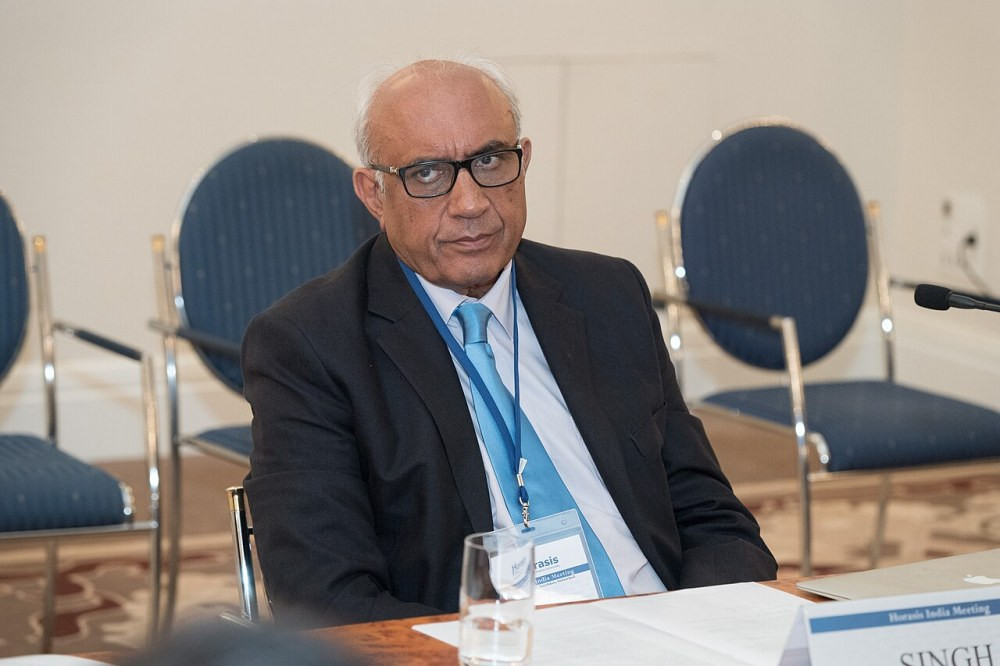
Photo: Richter Frank-Jurgen / CC BY-SA 2.0, via Wikimedia Commons
Sources
- AajTak: गैस सिलेंडर से आग, JCB से मिट्टी भराई...अनंत सिंह ने रातों-रात तैयार कराया घोड़ा रेस ग्राउंड
- Dainik Bhaskar: घुड़दौड़ देखने बिजली टावर पर चढ़े लोग,1 लाख की भीड़: कोट-काऊ हैट पहनकर मंच पर बैठे बाहुबली; बृजभूषण बोले- द...
- Inshorts: अनंत सिंह की बेटी की शादी आज, VVIP और आम लोग दोनों को परोसा जाएगा एक जैसा खाना | Tap to know more | Inshorts
- BBC: The big fat wedding of politician's daughter making headlines in India