
The Supreme Court of India has ordered the lighting of the deepam at the Thirupparankundram temple on November 28, 2026, and suspended the Board of Trustees managing the temple. The court's directive comes amid a long-standing dispute over the traditional ritual of lighting the deepam, a sacred lamp, at the temple. The order was issued during a hearing where the court expressed concern over the Tamil Nadu government's failure to comply with its previous orders.
Supreme Court Raps Tamil Nadu Government
The Supreme Court strongly criticized the Tamil Nadu government for what it described as a continued defiance of its judicial orders. The court referred to the government's actions as an "iron hand" approach, indicating that the state authorities have been obstructing the performance of the deepam ritual. The court emphasized that the deepam lighting is not merely a religious practice but a constitutional right protected under Article 25 of the Indian Constitution, which guarantees freedom of religion.
According to The Hindu, the court stated that the suspension of the Board of Trustees is a necessary step to ensure that the ritual proceeds without interference. The Board, which has been managing the temple affairs, was found to be complicit in the delay. The court's order mandates that the deepam must be lit at the designated time, which is believed to be a significant moment in the temple's annual calendar.
Context of the Deepam Ritual
The deepam ritual at Thirupparankundram is a centuries-old tradition believed to symbolize the triumph of light over darkness. The temple, located in Tamil Nadu, is dedicated to Lord Shiva and holds a prominent place in the Shaivite tradition. The lighting of the deepam is considered a vital part of the temple's religious observances, drawing thousands of devotees every year.
Despite its cultural and religious significance, the ritual has faced repeated delays due to administrative and political challenges. The Tamil Nadu government has been accused of intervening in temple management, citing administrative reforms. However, the Supreme Court has consistently upheld the right of religious institutions to manage their own affairs without state interference.
Legal Proceedings and Government Response
The legal battle over the deepam ritual began several years ago when temple authorities sought judicial intervention to stop what they claimed was undue interference by the state government. The Supreme Court had previously issued orders mandating the lighting of the deepam, but these orders were not fully complied with. The court's latest order, issued on November 28, 2026, is a response to the continued non-compliance.
The Times of India reported that the court expressed frustration over the government's attitude, stating that repeated contempt orders were being issued due to the state's failure to act. The court warned that further contempt proceedings would be initiated if the government does not cooperate. The suspension of the Board of Trustees is seen as a punitive measure to ensure that the ritual is not obstructed in the future.
Public Reaction and Religious Significance
The decision has been welcomed by religious leaders and devotees who have long awaited the resumption of the deepam ritual. The temple's priest, Swami Suresh, said that the court's order is a victory for tradition and faith. He stated that the deepam lighting is not just a ceremony but a spiritual act that connects the devotees with the divine.
Local communities have expressed hope that the court's intervention will lead to a more stable and respectful management of the temple. The suspension of the Board of Trustees is expected to pave the way for a more transparent and accountable administration. Religious scholars have also emphasized the importance of preserving ancient traditions, arguing that such rituals are integral to India's cultural heritage.
Next Steps and Implications
Following the court's order, the Tamil Nadu government is expected to take immediate steps to ensure the lighting of the deepam. The state authorities have been directed to cooperate with the temple management and to prevent any future disruptions. The court has also indicated that it will monitor the situation closely and may take further action if necessary.
The implications of this ruling extend beyond the Thirupparankundram temple. It sets a precedent for the protection of religious practices from political interference. The court's firm stance reinforces the principle that religious institutions have the right to manage their own affairs, provided they do not violate public order or secular principles.
As the date of November 28, 2026, approaches, preparations are underway at the temple. Devotees are expected to gather in large numbers to witness the lighting of the deepam. The event is expected to be a significant moment for the community and a symbol of the court's commitment to upholding religious freedom.
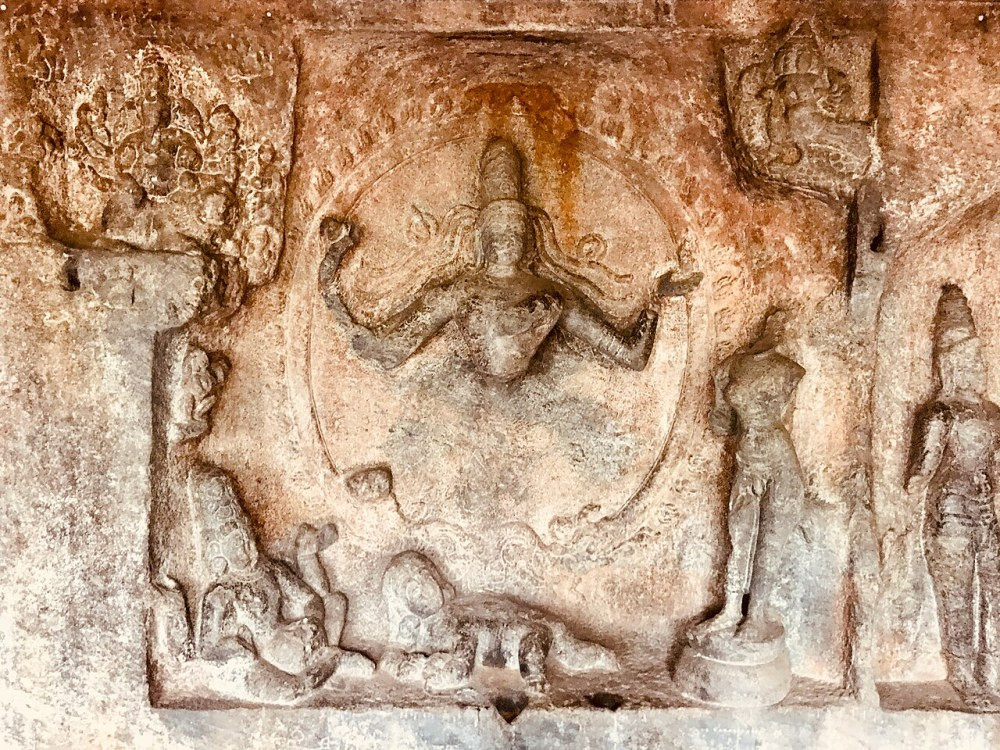
Photo: Ms Sarah Welch / CC0, via Wikimedia Commons
Sources
- The Hindu: Thirupparankundram row LIVE: Supreme Court orders deepam to be lit at 'deepathoon' on November 28, suspends Board of Trustees
- The Times of India: 'Time to deal with iron hand': SC raps Vijay govt over contempt of its Deepam order
- Live Law: Thiruparankundram Lamp Lighting : Live Updates From Supreme Court
- NASA Science (.gov): Seeking Refuge on Resolution Island