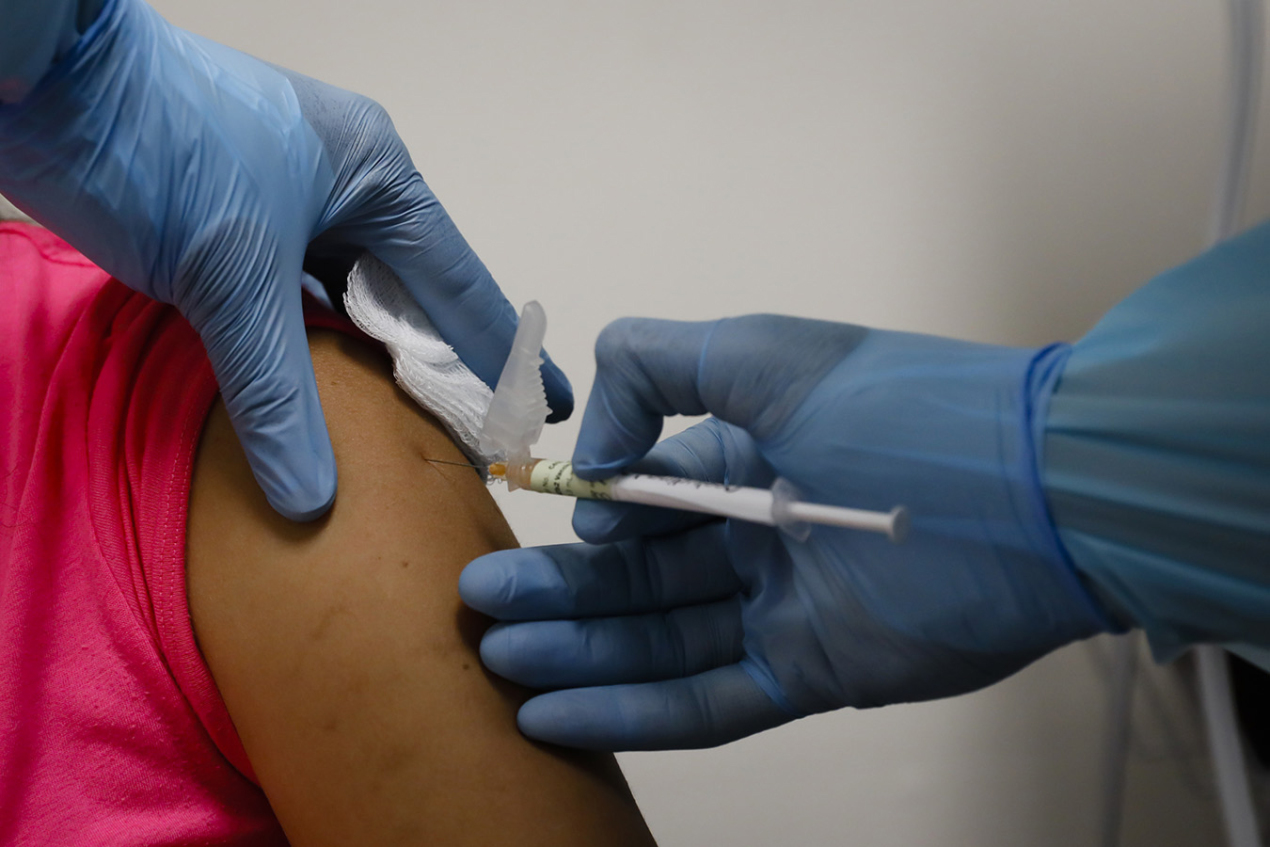
Much is being said and done about the COVID-19 vaccine. But, as is the case with all vaccines, the COVID-19 vaccine may also have side effects. A Medicine and Vaccine Safety recently released by the World Health Organization (WHO) explains what to expect after getting a vaccine. Usually, a vaccine is tested on thousands of people and after long-term monitoring, the success of the vaccine is judged. The effect of the vaccine is closely monitored over this long period, but no long-term investigation was found in the case of the coronavirus vaccine. Vaccines were made in a very short time to save the lives of people.
In such a situation, another IGTV shared by WHO states that currently available vaccines for COVID-19 are still under surveillance. Health officials are carefully monitoring all COVID-19 vaccines to ensure that they are safe for everyone who is getting them. Regarding IGTV released by WHO, Ayako Fukushima explains that some side effects are common and expected when you get vaccinated. They indicate that your body is protecting against viruses.
Common side effects after vaccination
Sweating or redness at the injection site, mild fever, fatigue, headache, muscle or joint pain. All these symptoms usually show for less than a week. If you see these symptoms for more than a week, then you need to inform the health workers who vaccinated you. By doing this you not only protect yourself but also fulfill the need for protection for others.
When reporting any negative feedback
If you report any negative reaction to the COVID-19 vaccine, then health workers will first treat your symptoms. A detailed investigation will then be done to evaluate the cause of your symptoms. It may also contain investigations related to storage, transport, or other problems of the vaccine. Fukushima said that if the actual investigation is suspected, the health authorities may suspend the use of the vaccine. The WHO said that these investigations have the support of WHO and they are monitoring the reactions of vaccines around the world.
Serious health problems are rare
Fukushima said it is extremely rare to have serious health problems directly caused by the vaccine, as the results of the vaccine and its tests have been quite promising. Fukushima said that all COVID-19 vaccines went through a rigorous testing process designed to ensure the safety of people before delivery. Till now vaccines have proven to reduce the risk of getting sick with coronavirus unexpectedly. Getting a vaccine is one of the best things you can do to protect yourself and your loved ones from COVID-19.


Weather Updates: Red alert issued for 10 dams in Kerala, heavy rain may occur in more than 20 states
A red alert has been issued for 10 dams as the water level of rivers and ponds rises due to heavy
Former Sri Lankan cricket team captain Sanath Jayasuriya has expressed concern about the current
West Bengal STF has arrested two suspected members of the banned terrorist organization Al Qaeda
Shah Rukh Khan: Guddu Dhanoa's big revelation, Shahrukh had refused Deewana, then agreed like this
Bollywood superstar Shahrukh Khan is in the news these days about his recently released film 'Jaw
In the coming days in North India, people are expected to get relief from the heatwave. The weath
Pakistan is nervous after India attacked Pakistan. Pakistan's condition is so bad that it is now
Go Air Fault: Two Go Air planes malfunctioned on the same day, and DGCA started an investigation
The cases of disturbances during the airlines in the country are not taking the name of stopping.
The Pakistani conspiracy to shake Punjab has been foiled on Wednesday. Punjab Police and BSF have
The effect of the third wave of Corona in the country is over now. There is a continuous record d
Big blow to AAP leader Satyendar Jain, the court rejects bail plea in money laundering case
Minister in the Delhi government and Aam Aadmi Party leader Satyendar Jain has received a major s