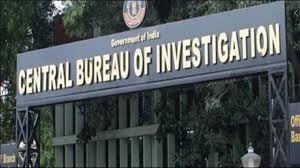
Following the path of Maharashtra and Kerala, the Hemant Soren government of Jharkhand has withdrawn the General Consent (General Consent or Consensus) given to the Central Bureau of Investigation, ie, the CBI to conduct a case or investigation in the state. This simply means that now the CBI will neither be able to investigate nor can register a new case in the state without the approval of the Jharkhand government. Jharkhand has become the seventh non-BJP-ruled state to do so, where CBI has been detained.
The governments of Maharashtra, West Bengal, Rajasthan, Chhattisgarh, Andhra Pradesh, and Kerala have also withdrawn the general consent (consensus) given to the CBI before Jharkhand. Not all these states have a government of BJP or its coalition partners. Now in these states without permission CBI cannot investigate any new case in Maharashtra. So let's know what is the meaning of common consent and what will be its effect.
1. After this decision, the ongoing investigation of CBI will not be affected but henceforth this federal agency i.e. CBI cannot investigate new cases in these seven states.
2. The CBI has not been able to register a single case in its Mumbai branch since the withdrawal of the consensus on October 21 by the Shiv Sena-led Maharashtra government. Usually, three to four cases of corruption or bank fraud have been filed in the CBI's Mumbai unit every month, but this has not been shown since the Maharashtra government's decision. It is worth noting here that most of the CBI cases are registered annually in Mumbai after New Delhi.
3. Which states have withdrawn consensus - Jharkhand, Maharashtra, Rajasthan, Andhra Pradesh, Kerala, Chhattisgarh, and West Bengal.
4. The Uddhav government took this consensus from the CBI when the UP government handed over the investigation to the CBI after the FIR was registered in Lucknow regarding the TRP scam.
5. What is this common or general consensus?
The CBI is governed by the Delhi Special Police Establishment Act. The Act makes it mandatory for a state government to consent to investigation in any state.
6. How is this agreement
There are two types of consensus. First case specification and second general (general). Although the CBI has jurisdiction over the departments and employees of the Central Government, but it needs the consent of the State Government to investigate any matter related to the State Government. Only then, she can investigate the case in the state.
7. What is the meaning of withdrawal of general consent?
This simply means that the CBI will not be able to register a new case against any person in these states without obtaining case-specific consent. Withdrawal of the general consent means that all the rights of any CBI officer as a police officer cease as soon as they enter these states without the permission of the state government.


Imposing Islamic Practices in Jamtara and Garhwa District's Schools: The issue of Islamization of
In the district, a forest officer Shraddha Pandre has become a challenge for the sand mafia. Thos
Big change on Co-Win regarding vaccination, now four-digit security code will be available
A rapid vaccination campaign is going on in the country for the prevention of the coronavirus. Mi
After some members of the Lok Sabha raised slogans during the oath, Speaker Om Birla amended the
PM Modi will be visiting Gujarat on September 20th. This will be a one-day visit. On Saturday, PM
Union Defense Minister Rajnath Singh will launch the website of 'Son of Mother Bharti' today. Aft
SC on Sandeshkhali Violence. Mamta government got a big blow from the Supreme Court today. Mamata
While the entire administrative machinery was occupied with arrangements for the President’
United Nations Secretary-General Antonio Guterres has expressed deep grief over the incident of t
Gujarat Titans tasted their fifth defeat of the season as they beat Chennai Super Kings by three